Official game
Play The Assessment
This game is hosted by Steam. Continue to the official page to play or download it.
Wishlist on SteamOverview: What You Are Walking Into
The Assessment is a short-form psychological horror game from Miga Games, targeting Q4 2026 on Steam with a free demo live since September 21, 2026. You play Gabrielle, an archaeologist visiting Japan who answers a phone call mid-sentence: assess Yokogawa Castle, decide whether it should be preserved or condemned, and it has to happen today. During her research she learns the castle practiced hitobashira, the burial of human sacrifices within walls to protect a structure. Some rituals were never meant to end.
| Fact | Detail |
|---|---|
| Developer / Publisher | Miga Games (founded 2016) |
| Genre | Psychological horror, suspense, exploration |
| Platforms | Windows (Steam); Steam Deck listed as a target on the official site |
| Release | Q4 2026; free demo live now (separate demo app, released Sep 21, 2026) |
| Protagonist | Gabrielle, an archaeologist |
| Core systems | Assessment photography, photo matching, rituals, soul release, artifact recovery |
| Haunting | Dynamic system; encounter frequency reduced in build 0.9.9.10 |
| Camera | First-person (default) and third-person, switchable anytime |
| Length | Short-form experience; demo under an hour |
| Demo areas | Castle Exterior, Castle Interior, Senior Home |
| Content note | Ghost imagery, spiders, dark areas, dread-building audio |
Who it is for: fans of Japanese folklore horror, players who liked the observational pacing of Mundaun, and anyone who wants a horror game where the camera is the weapon.
Who it is not for: players who want combat, long campaigns, or jump-scare density. This is a slow dread machine, and it works only if you let it breathe.
The one-line mental model: you are the inspector, the castle is the subject, and the subject is fighting the inspection.
Getting Started: The Demo, Played Right
Session Setup Before You Click Play
Play in the dark with headphones. The dynamic haunting system communicates through audio shifts that laptop speakers flatten into nothing. Close the curtains for real; the game's visual tells live in shadows. Turn motion blur down if the camera feels swimmy, and know that a dedicated Low graphics setting exists as of build 0.9.9.9, alongside fixes for the mouse snap-back issue that earlier players fought.
The First Hour Plan
- Do not skip the tutorial prompts. A demo player on the community hub admitted to running in circles until someone explained the game to them; the developer responded by adding a diary with an Objectives tab in build 0.9.9.9. Open the diary the moment anything feels unclear, and watch for the exclamation mark that appears when something new unlocks.
- Photograph first, interact second. The camera is your investigation engine. A before-shot of an untouched room is sometimes the only way to prove what changed after you touched it.
- Learn the polaroid rule. Build 0.9.9.10 added polaroid photos in each level that must be found before they can be matched. Explore a level completely before you start matching.
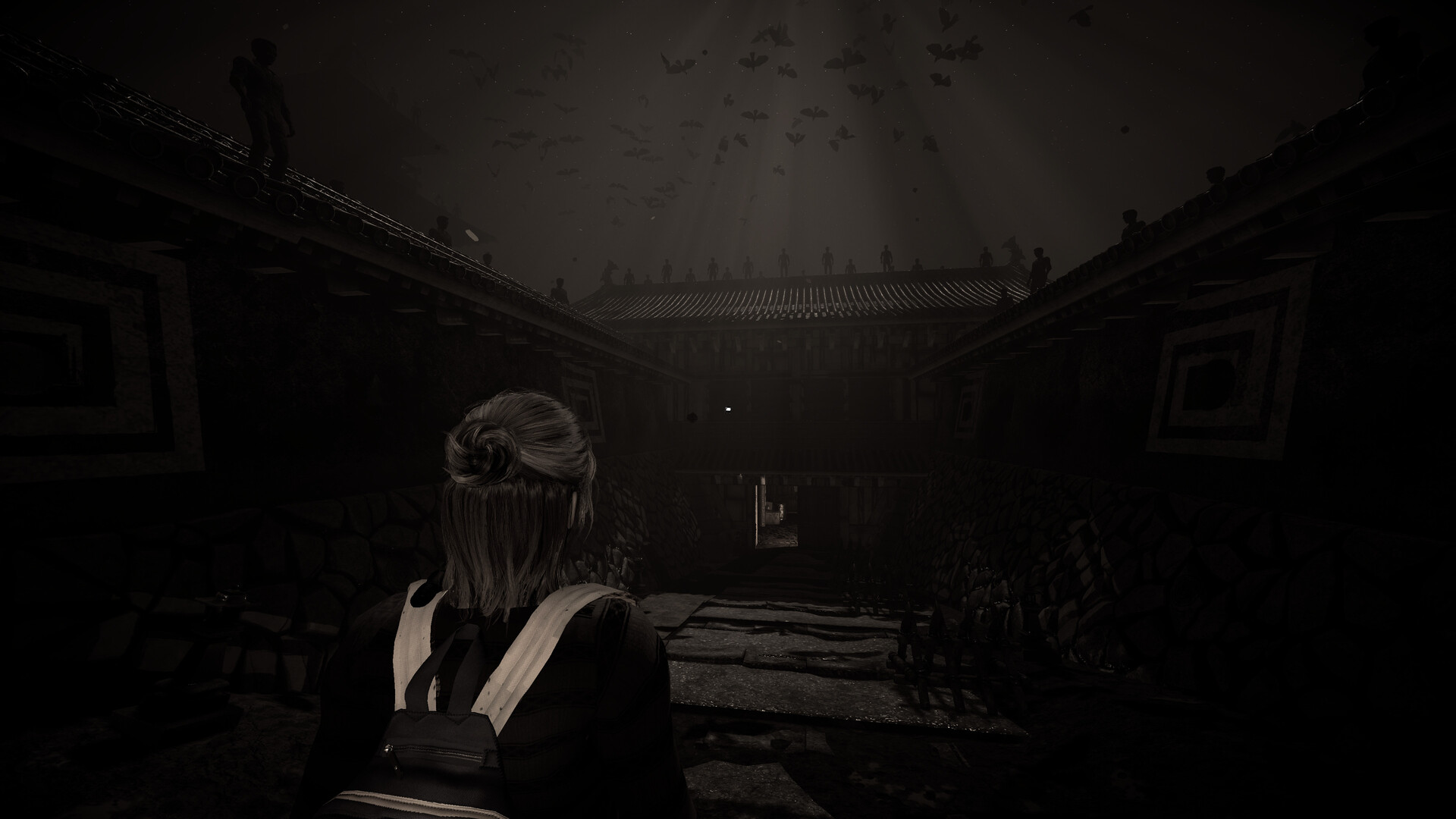
- Walk the Exterior like a surveyor, not a tourist. The castle grounds teach the game's grammar: what gets documented, what looks wrong, how photos frame evidence.
- Save the Senior Home for one uninterrupted sitting. It is short. It recontextualizes everything. Play it in the dark without a guide.
Beginner Mistakes to Avoid
| Mistake | Why It Ruins the Run |
|---|---|
| Treating photos as busywork | Photo matching is the investigation. Skipping shots loses the evidence trail that makes the ending land. |
| Panicking mid-ritual | Rituals run while something hunts you. Panic breaks the sequence. Learn the rhythm, then stay procedural inside it. |
| Sprinting everywhere | Build 0.9.9.10 sped the player up, but speed kills observation. The maze-like layout punishes players who miss details they cannot revisit. |
| Ignoring the diary | Objectives, assessment photos, and lore all collect there. It is the game's memory, and yours is worse. |
| Playing in five-minute bursts | The dread builds in one continuous arc. Chopping it up blunts every scare. |
Core Mechanics: The Systems Under the Haunting
The Assessment Frame
The premise is the mechanic. You are not investigating; you are evaluating. Every tool serves the job: photographs document condition, comparisons judge deterioration, and the paperwork frame gives the horror its edge, because a castle that does not want to be condemned has a motive to interfere with the assessment.
The system changed during development. The 0.9.9.8 playtest patch removed an Assessment Form mechanic that confused players and did not serve the story, replacing it with Photo Matching: find the in-world location of a given photo. The same patch made first-person the default view. Then 0.9.9.10 layered polaroids on top: photos must be found before they can be matched, which turned photo hunting into its own exploration layer.
Photo Matching Discipline
Current demo flow for every new area:
1. Sweep the full area first; collect every polaroid you can find
2. Photograph notable rooms from their entrances (before-shots)
3. Match polaroids to their real-world locations
4. Re-photograph anything that changed after an event
5. Check the diary: matched photos unlock Objectives and lore entries
The comparison system registers from specific angles. If a match will not register, move around the subject before you decide the location is wrong.
Rituals Under Pressure
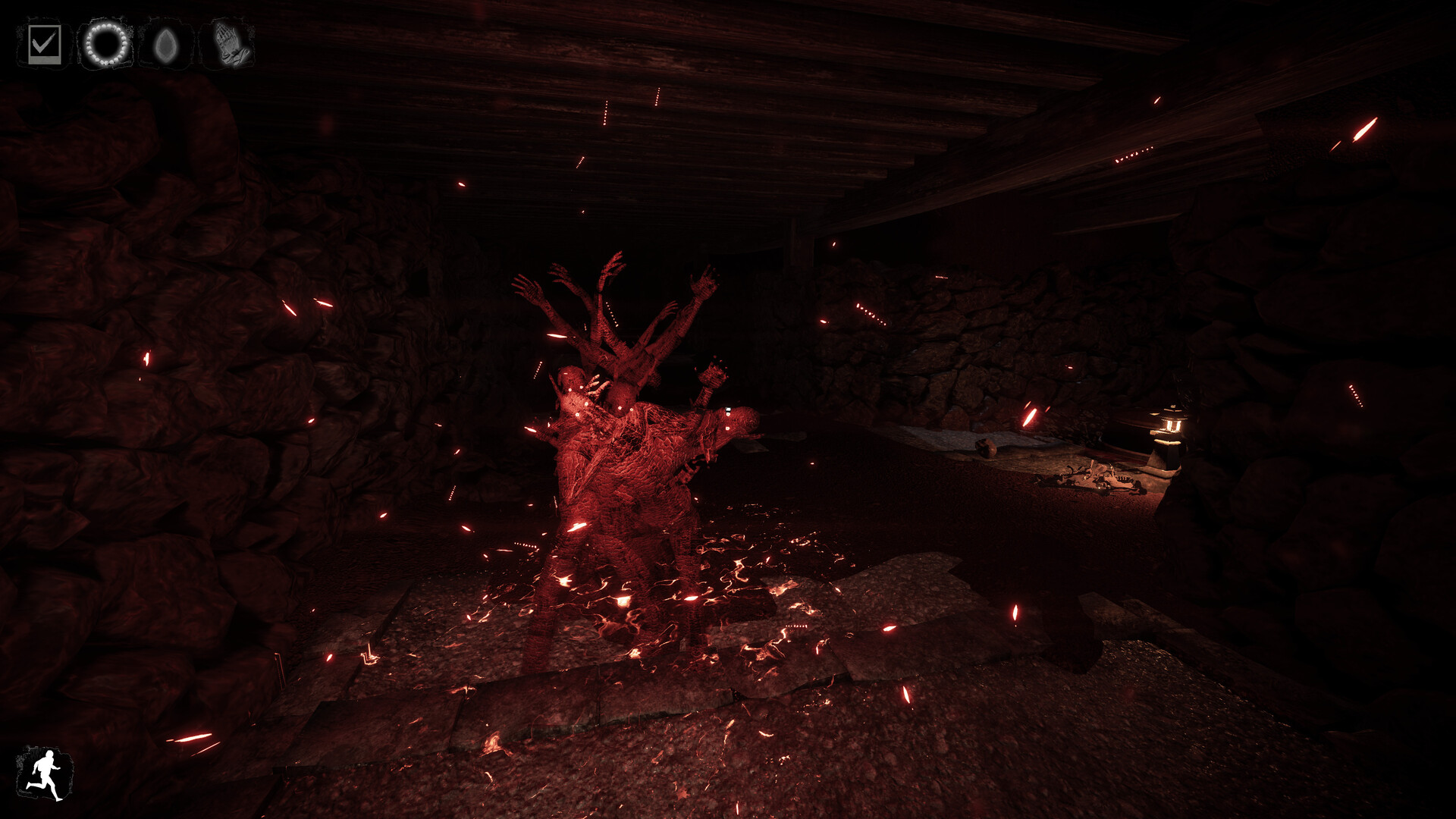
Rituals are the interactive set pieces. You perform them to release trapped souls, and the dynamic haunting system schedules a hunter while your hands are committed to the sequence. The design goal is tension through helplessness. Practical notes:
- Learn the input rhythm of each ritual before you need it in anger. Panic mid-sequence is how the demo kills careless players.
- Ritual sites differ in their surroundings. Some have one approach, some have three. When the game offers a choice of site, prefer the defensible one.
- Frequency matters: build 0.9.9.10 significantly reduced apparition event frequency. Earlier impressions describe a much pushier castle; current builds let dread accumulate instead.
The Dynamic Haunting
Encounters are unpredictable by design. The same hallway is not the same hallway twice, and the developer has said the system exists so that walkthrough-proofing the game does not defang it. Dynamic does not mean random: encounters have a tell sequence, an audio drop and an environmental flicker, before they resolve. Advanced play is recognizing the tell early enough to choose your position. You cannot prevent an encounter. You can stop standing where it corners you.
Death in the demo is a rewind, not a restart. The short-form structure lets the game be lethal without wasting your evening.
Souls, Artifacts, and the Evidence Trail
Releasing souls is the moral spine. The buried do not want revenge; they want acknowledgment. Artifacts you recover and souls you release piece together who they were, and the ending weighs what you chose to learn. Cross-referencing what you see in Gabrielle's corrupted memory sequences against recovered artifacts assembles the full story early and pays texture back at the ending.
The Camera Switch
First-person is the dread vehicle: tight corridors, no peripheral vision. Third-person exists for spatial grounding and for memory sequences, where watching Gabrielle reads differently than being her. Switch for tactical reasons: first-person for hallways and encounters, third-person for open grounds and navigation puzzles.
Progression Strategy: How to Play the Demo Like a Surveyor
- Treat each area as a survey grid. Exterior, Interior, Senior Home. In each, sweep the perimeter before the center, because the demo's maze-like layout hides its polaroids at the edges.
- Build a photo habit loop. Enter, shoot the entrance frame, look for what is wrong, shoot that. The game rewards players who photograph what the art team drew attention to: an object too clean, a wall too new, a shadow with a source missing.
- Spend dread wisely. The haunting frequency is low in current builds; encounters cluster around rituals and story beats. Do your free-roam documentation before you trigger anything that looks like a set piece.
- The diary is your checklist. Objectives tab first when lost, assessment photos second, lore third. The exclamation icon means new content landed; check it before it piles up.
- Finish areas before advancing. Build 0.9.9.10 made the demo's finish state clearer, but the maze design can still strand players who skipped a detail. If stuck, walk the level boundary; the answer is usually at an edge you dismissed.
Step-by-Step: The Demo Route
- Exterior, pass one: walk the full grounds, photograph the castle from multiple angles, find the polaroids along the perimeter. Meet the folklore in the documents before anything supernatural happens.
- Exterior, pass two: re-walk with the camera up. Compare your shots. Something has changed; photograph it. This pass teaches the before/after loop that the whole game runs on.
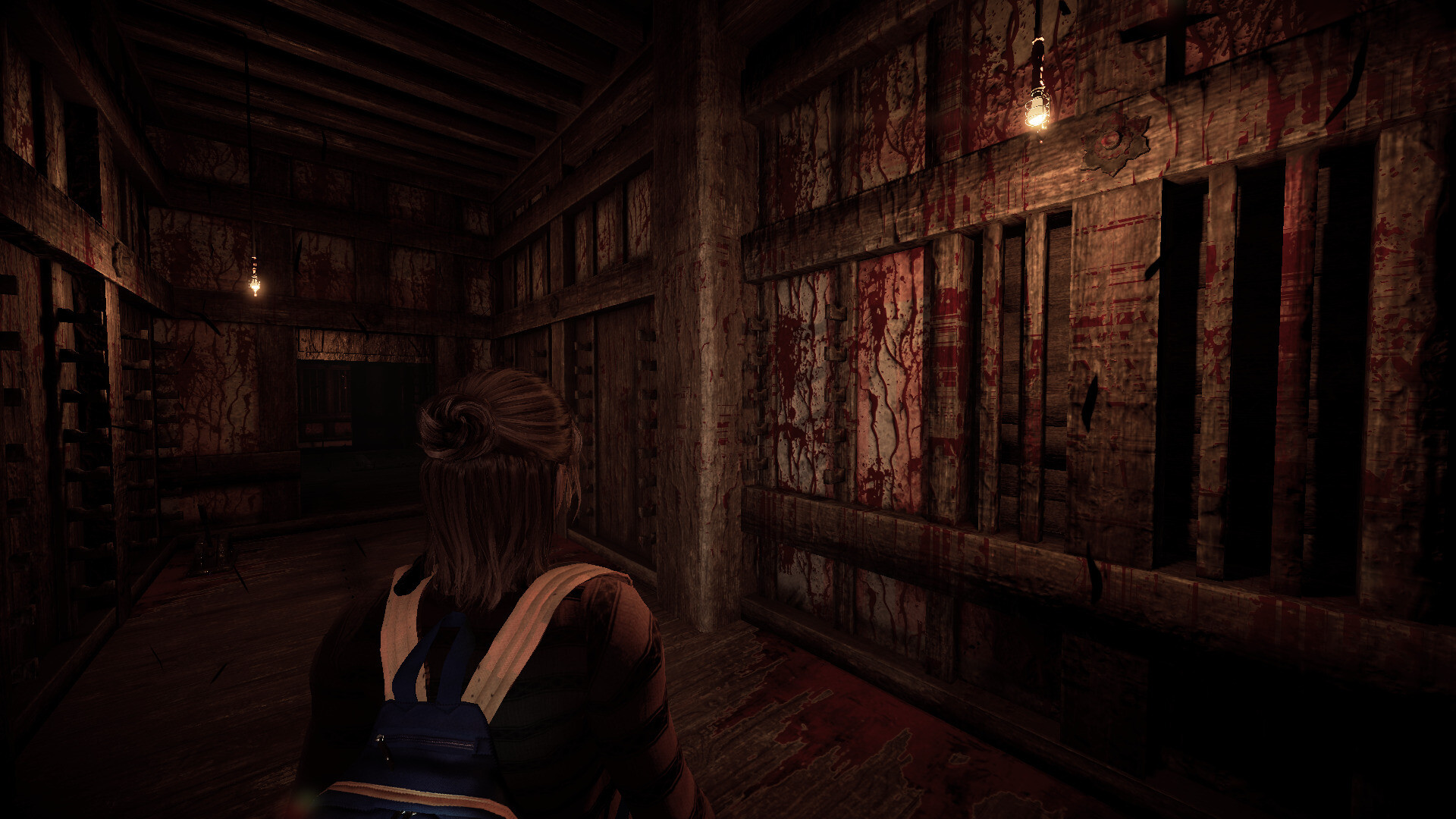
- Interior, slow entry: first-person, headphones, no sprinting. Document each hallway before entering rooms. The Interior holds the demo's best environmental storytelling and its first pressured ritual.
- First ritual: learn the input rhythm on the first, easy ritual. If a hunt starts, finish the sequence before repositioning; broken rituals cost more time than the hunter costs health.
- Interior deep clean: match every polaroid before advancing. The maze complaint from early players almost always traces to an unmatched polaroid in a side room.
- Senior Home, one sitting: dark room, no guide, no phone. It is short. Everything it recontextualizes lands harder in one continuous take.
- After the demo: write down what you learned about the tell sequence. The full game's castle will be bigger, and the habit of reading audio drops before encounters is the single most transferable skill.
Advanced Tips
- The tell is the whole game. Audio drops before encounters are consistent. Volume mix matters more than graphics settings for playing this game well.
- Defensible ritual positioning. When choosing between ritual sites, count the approaches. Corners with two entrances are traps; open ground with one long sightline is survivable.
- Before-shots are save states for your memory. Anything you photograph before touching stays provable. Completionists should treat the camera as the first action in every new space, always.
- Memory sequences are evidence vaults. Gabrielle's corrupted memories contain object details that match castle artifacts. Cross-reference deliberately; the ending repays it.
- Settings that matter: the Low graphics preset (new in 0.9.9.9) helps on weak hardware, the mouse snap-back fix means looking around no longer fights you, and the crosshair auto-hides when focusing objects (0.9.9.10), so screenshots come out clean.
- Rewind deaths are teaching tools. Death replays teach the tell you missed. Do not treat them as failures; treat them as the game pointing at what you should have heard.
- Hold strategies loosely across patches. Miga is actively replacing mechanics (Assessment Form became Photo Matching; polaroids arrived in 0.9.9.10). The skills that transfer are attention and calm, not route maps.
Story and Historical Context
The Assessment is a game about being evaluated from both directions. Gabrielle evaluates the castle; the castle evaluates her; the buried evaluate everyone who walks above them. The preservation-or-condemnation framing gives the horror a bureaucratic coldness that suits its subject: atrocities become maintenance problems, and someone has to fill out the form.
Hitobashira, human pillar sacrifice, is real folklore: people buried alive within castle walls, dams, or bridges so their spirits would protect the structure. Legends attach the practice to Maruoka Castle and others. The game treats it as historical texture rather than set dressing; Gabrielle finds it in documents before you ever see its consequences, and the horror lands because records of the practice exist.
Miga's personal-experience framing is worth knowing before you play. Themes of memory, guilt, and elderhood run under the castle story, and the Senior Home sequence is where the two layers meet. Players sensitive to dementia themes should know the demo touches them with care rather than exploitation.
System Requirements and Performance
| Tier | Minimum | Recommended |
|---|---|---|
| OS | Windows 10 | Windows 11 |
| CPU | Intel Core i5-4440 or equivalent | Intel Core i7-97850H @ 2.60 GHz or AMD equivalent |
| RAM | 4 GB | 8 GB |
| GPU | GeForce GTX 1050 / Radeon RX 480 | GTX 1660 Ti 6GB or higher |
| Storage | 4 GB | 4 GB |
The minimum tier is old enough that nearly any working gaming PC qualifies. The demo runs on modest hardware; presentation is atmospheric rather than graphically dense. A Steam Deck graphics option exists in the demo's settings, and community feedback indicates playable performance there, though no official verification yet.
Steam Deck and Platform Notes
The official site lists Steam Deck among target platforms, rare for a horror indie in this bracket to advertise before launch. The demo exposes a Steam Deck-specific graphics preset. No verified rating exists yet; expect a verification push near the Q4 2026 release. Treat Deck performance as promising but unverified until reviews land.
Developer Background
Miga Games has operated since 2016 under the mission line "telling captivating stories through immersive games." The studio's catalog before The Assessment: HEVN (2018), a first-person survival narrative about a celestial mining engineer; Forest Grove (2023, published by Blowfish Studios), a futuristic detective game about a missing heiress, built on evidence collection across a cast of suspects; and Taiko 5, a music sequencer designed for game controllers. That catalog explains The Assessment's DNA: Forest Grove's evidence pipeline became photo matching, HEVN's first-person environmental storytelling became the castle, and the detective framing became the assessment itself. The developer signs patch notes as Larry, writes them personally, and has answered demo feedback directly in the community forums, including committing to a hint option after players reported getting stuck.
Comparison With Similar Games
| Game | Shared DNA | Where The Assessment differs |
|---|---|---|
| Mundaun | Folk horror, observational pacing | Japanese folklore spine, assessment paperwork frame |
| Silent Hill f | Japan setting, psychological corruption | No combat; photography and ritual replace action |
| Forest Grove (same studio) | Evidence collection pipeline | Horror tone; you document the paranormal, not people |
| Analog horror series | Evaluation-format framing | You are inside the format, taking the photos yourself |
FAQ
Is The Assessment out? Not yet. It targets Q4 2026. The free demo is live now on Steam (separate demo app, released September 21, 2026).
How long is the demo? Under an hour for most players, covering Castle Exterior, Castle Interior, and the Senior Home.
How long is the full game? Unconfirmed. "Short-form experience" suggests a focused 3-to-5 hour arc; the developer has not published a number.
Is there combat? No. Tension comes from rituals performed while something hunts you, and from the dynamic haunting system.
What does hitobashira mean? Human pillar sacrifice: people buried within walls so their spirits protect a structure. The castle practiced it, and the buried are still there.
Can I get stuck? Early demo players reported maze-like confusion; the developer added an Objectives diary tab and is working on a hint option. If stuck, sweep the level edges for unmatched polaroids.
Is it on Steam Deck? Listed as a target platform with a demo graphics preset. Unverified until release.
Quick Reference Card
| Topic | Answer |
|---|---|
| Release | Q4 2026, price unannounced |
| Demo | Free, three areas, under an hour, released Sep 21 2026 |
| Core loop | Find polaroids → photograph → match → document changes |
| Ritual rule | Learn the rhythm first; finish sequences even when hunted |
| Haunting | Dynamic, has an audio tell, frequency reduced in 0.9.9.10 |
| Camera | First-person default, third-person for navigation and memories |
| Diary | Objectives tab when lost; exclamation icon = new entries |
| Death | Rewind, not restart |
| Min specs | i5-4440, 4 GB RAM, GTX 1050, 4 GB storage |
| Deck | Target platform, demo preset exists, unverified |
Screenshots