Official game
Play Songs of Glimmerwick
This game is hosted by Steam. Continue to the official page to play or download it.
Buy on SteamOverview
Songs of Glimmerwick is a story-driven witch academy RPG from Eastshade Studios, the four-person-at-core studio behind the 2019 painting adventure Eastshade. It launched September 30, 2026 on Steam for $24.99 with a 10% discount through October 14, after eight years in development and a demo run that cleared 150,000 wishlists before release. You arrive at Glimmerwick's university of magic already enrolled, flute in one hand and songbook in the other, and the year ahead is seasons, festivals, curses, and witchy hijinks.
The hook is that every spell is a song. Playing your flute is how you speak with trees, enchant tools to work by themselves, raise earth over natural obstacles, and summon rain clouds for the garden. Around that sits a gentle RPG loop: classes to attend, clubs to join, a garden to tend, townsfolk with problems worth solving, and an island full of oddities that reward curiosity over speed.
| Fact | Detail |
|---|---|
| Developer / Publisher | Eastshade Studios |
| Genre | Story-driven RPG with life sim and gardening loops |
| Platform | Windows (Steam), consoles later |
| Release | September 30, 2026 |
| Price | $24.99 (10% off to October 14) |
| Players | Single-player |
| Steam reviews | Very Positive, 100+ reviews in week one |
| Achievements | 34, most below 15% unlock rate in launch week |
| Languages | English (full audio), 7 more including Simp./Trad. Chinese, PT-BR, German, Russian, Japanese, French, Spanish |
| Demo | Still available; demo saves carry into the full game |
| Requirements | Very light: GeForce 9600 GS-class GPU, 6 GB RAM, 5 GB storage |
Who this is for: players who wanted Hogwarts Legacy's school life to be the whole game, Stardew players who care more about townsfolk than min-maxing, and anyone who fell for Eastshade's pace. One early reviewer called it the first real relaxation they had had in weeks. Who should adjust expectations: farming sim veterans expecting marriage mechanics. As one 3.3-hour reviewer put it, this is more RPG than life sim: companion quests instead of daily gift loops, and time serves the story rather than scheduling your day.
Getting Started: Your First Week at the Etchery
- Play the demo first, even now. Eastshade kept it live on purpose. Demo saves carry into the full game, so an hour with the demo is an hour of the real game. The studio says it shows what the game is and what it isn't, which is exactly why you should use it as a purchase test.
- Enroll in The Etchery before anything else. The 84% achievement rate on Enrollment tells you almost everyone finds it; do it first and the map's fast travel anchors come online.
- Learn the Song of Tilling until it clicks, then stop worrying. The first music mini-game got a difficulty pass in the 0.484 demo patch to smooth the ramp. The developer also repeats, in every patch note, that the music mini-game is not mandatory. You can engage on the days it feels good and skip it when it doesn't.
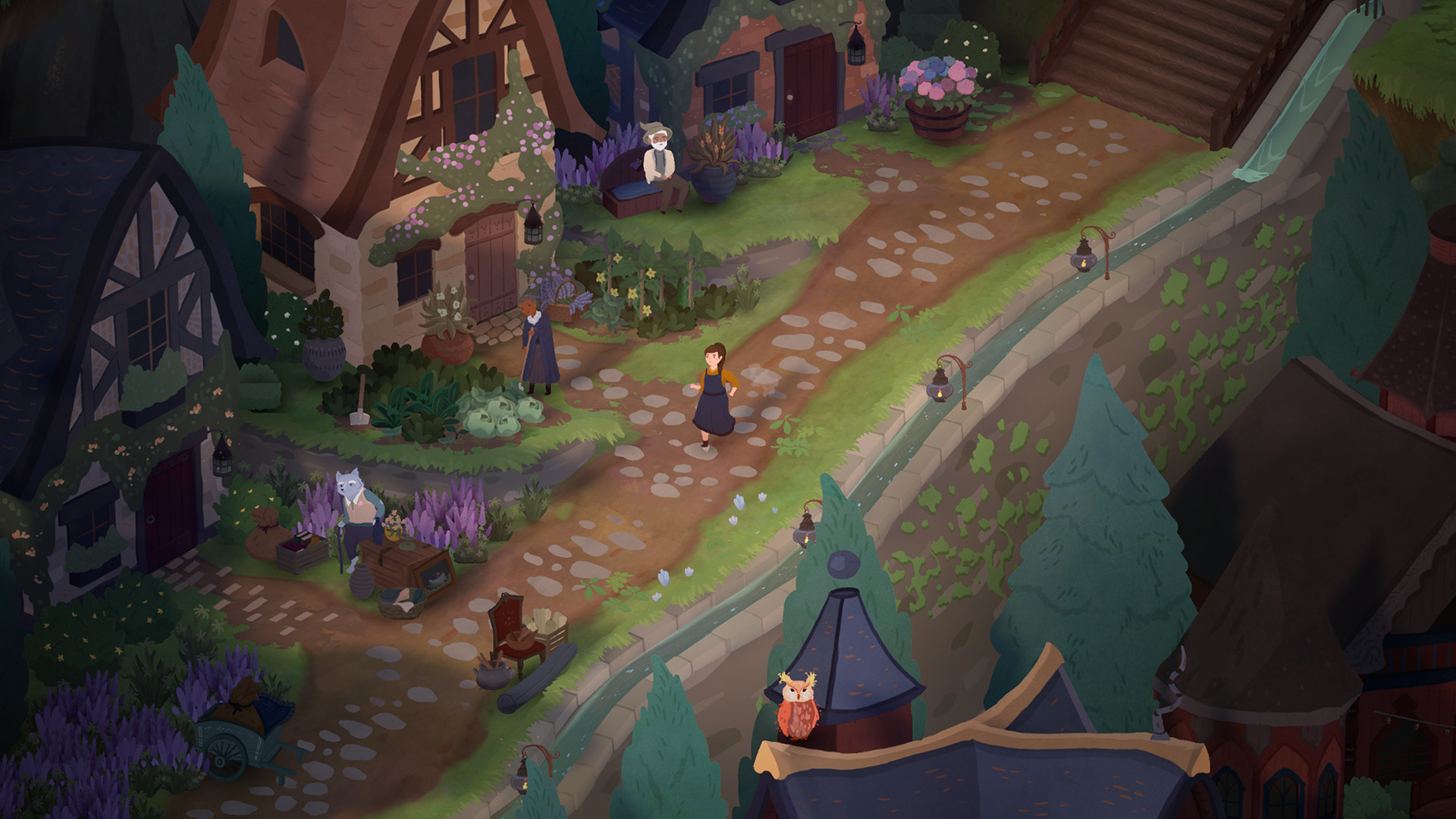
- Talk to everyone in the first in-game week. The game's quest web is dense with named townsfolk. The tulips-for-Clover and wool-for-Clover quests, both visible in early achievement unlocks, only start from conversations.
- Let events stop time. A recurring reviewer favorite: cutscenes and events pause the clock, so you cannot miss a festival by losing track of the hour. This is the single biggest stress remover in the genre design, so lean on it: say yes to every event.
Beginner Mistakes to Avoid
| Mistake | Why it hurts | Fix |
|---|---|---|
| Treating it as a farming sim | Crop income is minor; quests and story are the spine | Follow characters, not the harvest calendar |
| Ignoring the skill trinket | XP is always accruing and unspent points do nothing | Spend on garden and trade early, frog-speech later |
| Skipping voice dialogue | Fully voiced scenes carry the game's charm | Listen; the sound design is the point |
| Racing the seasons | Nothing seasonspun punishes you for a slow spring | Wander. The island's oddities are the content |
| Hoarding gold petals | Shops are modest; the 100k achievement is a long-game bonus | Spend on seeds and gifts as you go |
| Missing the support pack check | Deluxe bundles soundtrack and cosmetics cheaply | Decide before checkout, not after |
Core Mechanics Explained
Every Song Is a Spell
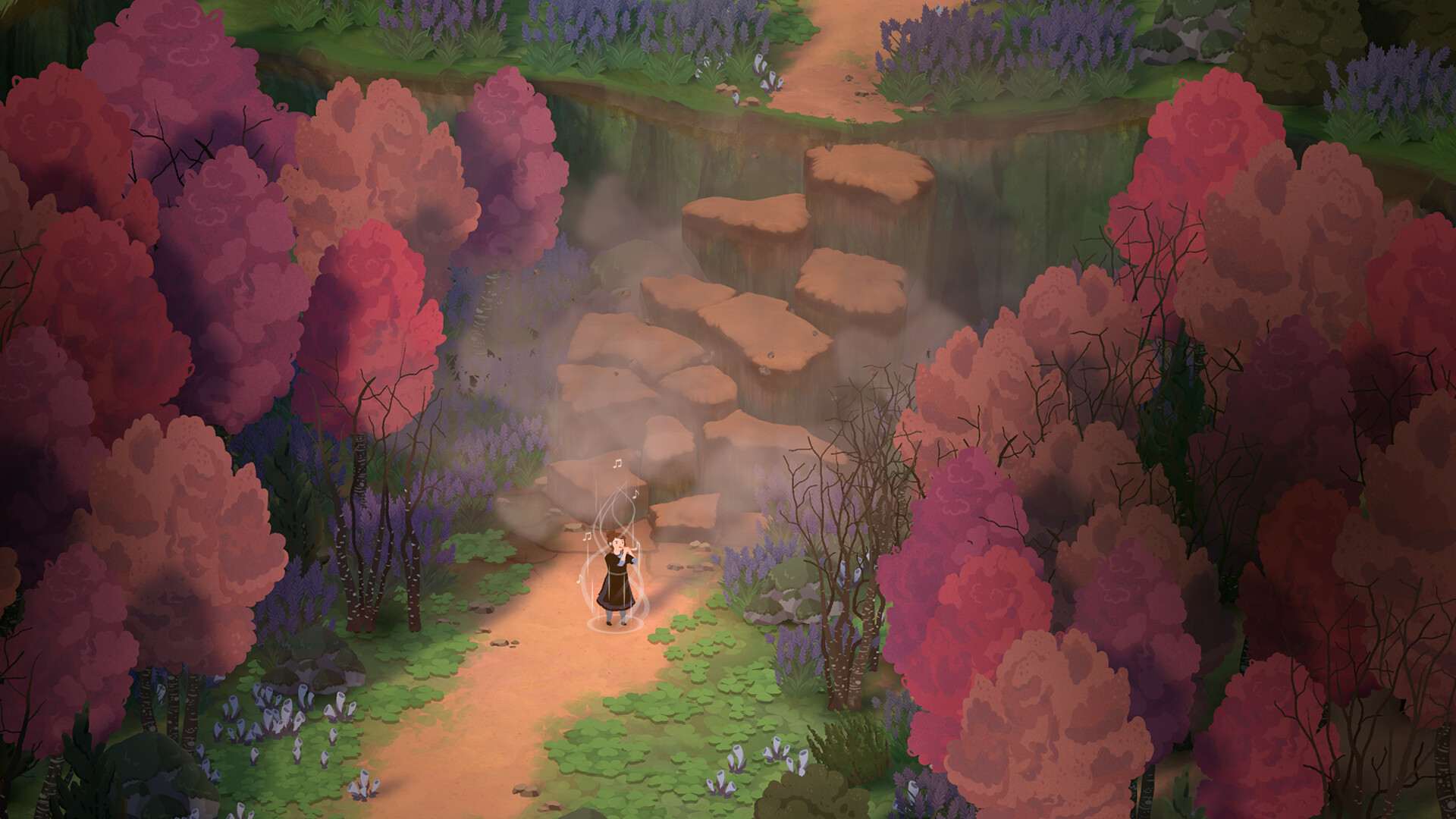
The magic system replaces spell lists with a songbook. Each song maps to a world effect: tilling soil, summoning rain clouds, speaking with trees, raising earth ledges, enchanting a tool to work unattended. Learning a song is a small rhythm mini-game on the flute; mastering it makes the effect faster and cleaner. The Musical Witch achievement for mastering every spell song is one of the game's rarest (near zero at launch week), which tells you the songbook is deep enough to be a completionist's project rather than a tutorial.
The practical read: songs are keys, not combat. Glimmerwick has no combat system. Obstacles are environmental and social, and your songbook is the toolkit that opens them. When exploration walls you, the answer is almost always a song you have not learned yet, learned from a class you have not attended or a shrine you have not found.
The University Garden
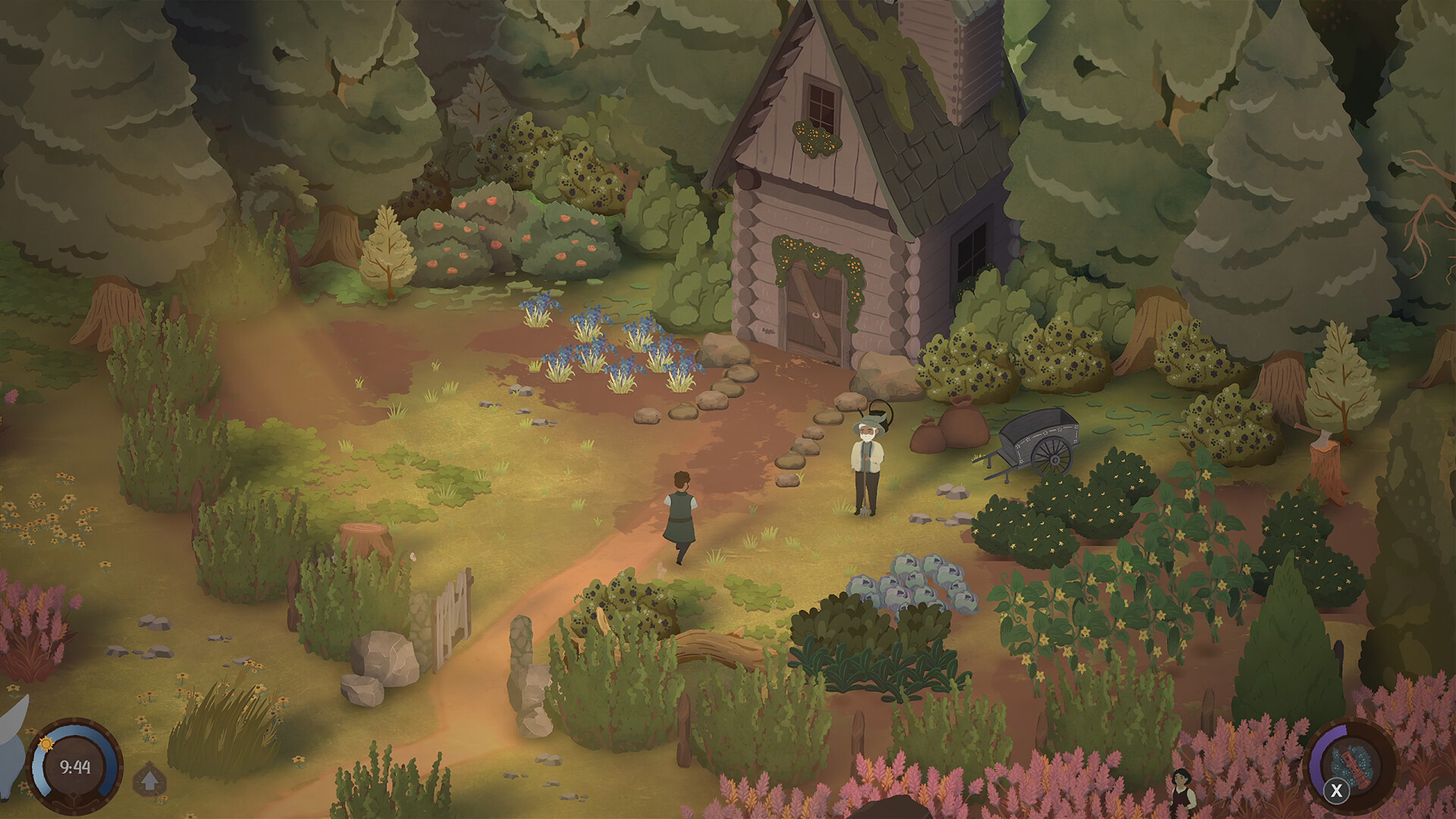
The garden is your steady-state activity between quests. Planting mundane and arcane crops, watering, and summoning clouds to do it faster is the loop, and potions close it: harvest feeds the cauldron, legendary potion scores feed achievements (A Legendary Brew at 23% unlock, Brewmaster near zero). The Business Buds achievement, gathering enough tulips for Clover at 25%, is typical of how the garden threads into friendships rather than being a separate economy.
Crops and gold petals buy seeds, gifts, and cosmetics. Nobody at Eastshade is simulating a commodity market. The garden exists to give your hands something peaceful to do between stories, and it is better read that way.
Classes, Clubs, and the Semester Rhythm
The academy year structures the game into seasons: Spring, Summer, Fall, Winter, each with a completion achievement, and Spring sits at 14% while Fall and Winter were near zero in launch week, which tracks with players still in their first in-game year. Classes teach songs and mechanics; clubs are the social layer; festivals like the Seaflower Festival flower contest (13% have won it) are the season's set pieces.
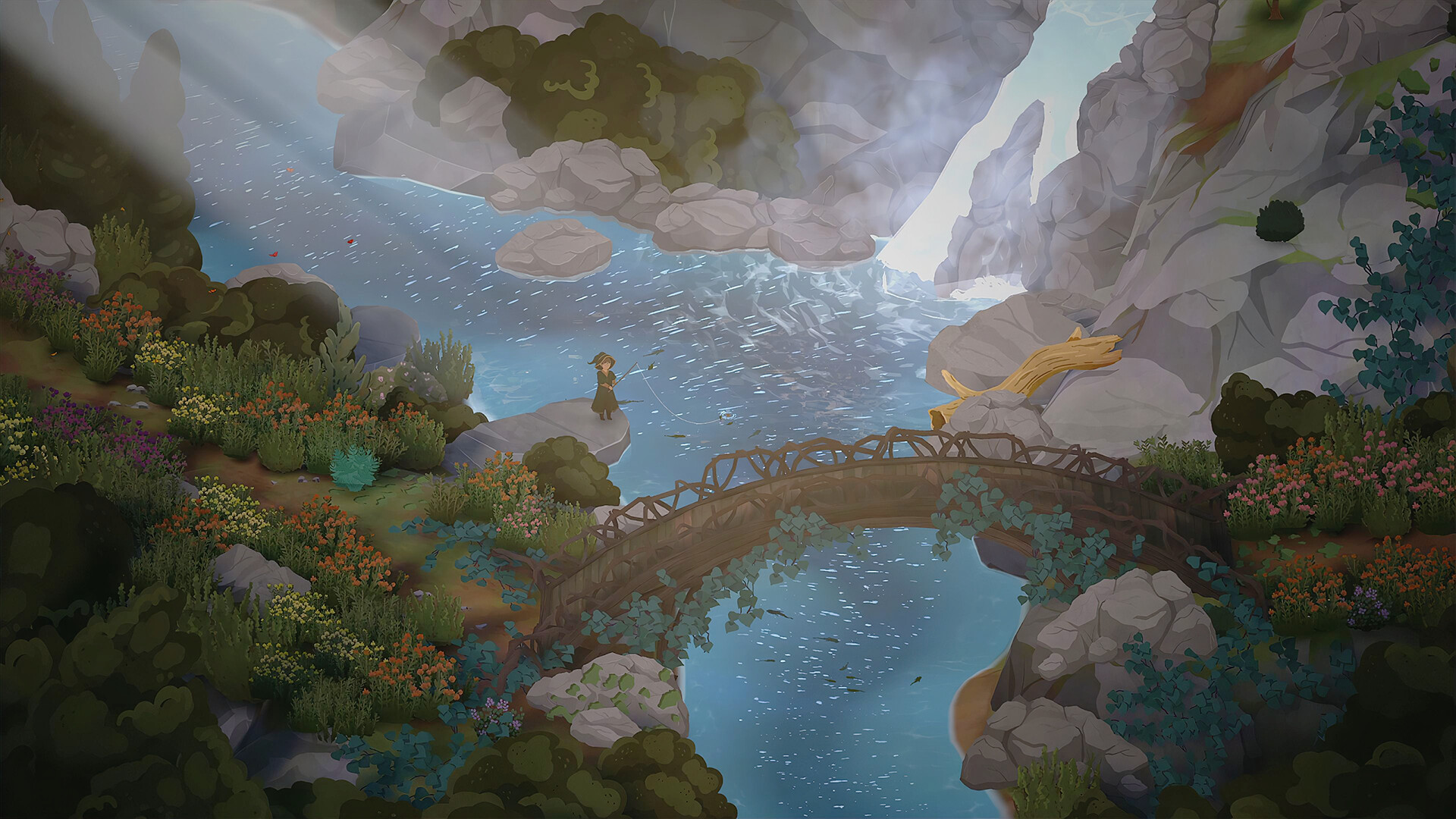
An important note from the reviewers: time pressure is deliberately absent. Events pause the clock, and nothing forces you to bed. If you want to spend an entire in-game week fishing off the pier, the island will wait.
Skill Trinket Progression
XP flows from everything (quests, gardening, exploration) and lands in the skill trinket. Choices split along gardening, trading, and odd abilities like speaking to frogs. The Arch Witch achievement for unlocking every ability is a multi-year-pace goal at current unlock rates. Early builds favor garden and trade utility; the frog-tier abilities are charm content that also gates a few oddities, so do not write them off as jokes.
The Island's Oddities
Scattered across Glimmerwick are self-contained mysteries: a cave of questions (3%), a printing press to silence (5%), a ghost of Ivarice to help (4%), seven shrines to find, a cursed islander to free, a harp of six, buried riddles. These are the RPG's actual content. The Seventh Shrine achievement at 1% unlock suggests most launch-week players are still mid-search, which is the intended pace: the island reveals itself across the year, not in a rush.
The Achievement Map After Week One
The 34 achievements double as a census of where players actually are, and the launch-week spread tells you what to expect from your own pace. Enrollment sits at 84%, Business Buds (Clover's tulips) at 25%, and A Legendary Brew at 23%. Spring completes at 14%, and the Seaflower Festival flower contest at 13%. From there the curve collapses: Florian's book, Russel's riddle, and the printing press all around 5%; the Cave of Questions and Nessa's curse around 3%; the seventh shrine at 1%. Everything attached to Fall and Winter sat near zero at launch, which lines up with reviewers reporting 8 to 20 hours still inside the first in-game year. The 130-hour reviewer who has played roughly 200 hours across demo and full game and still spends sessions just wandering tells you the ceiling: this island absorbs time without asking for it back.
Step-by-Step Strategy
Step 1: Enroll, then map the island's fast travel. The Etchery anchors your movement. Unlock shrines as you see them; the Seventh Shrine hunt is a whole-game project and every found shrine compounds.
Step 2: Spend your first skill points on gardening. Early garden utility removes the chore layer before it can become one. Trade skills second. The odd abilities are for the mid-game when the island starts asking weird questions of you.
Step 3: Clear one friendship thread at a time. Clover's tulips, Mel's mending, Florian's book, Nessa's curse. Each thread is a few sessions of work. Doing them in parallel scatters your routes; serially, each completed thread hands you new songs, shortcuts, or shops.
Step 4: Attend every class in season. Classes are the song unlocks, and songs are the progression gates. A class skipped is a wall you will meet three in-game days later with no key.
Step 5: Win the Spring festival, then breathe. The Festival of Plenty flower contest is your first big checkable goal (13% unlock). Enter with garden-grown flowers, win it, and the season's rhythm will have taught you most of the core mechanics by osmosis.
Step 6: Let the year roll into Winter naturally. Season completions are the game's implicit chapter markers. Trained Witch, completing the game, requires all four. Launch-week data says most players are mid-Summer; the endgame achievements (all quests, all songs, all abilities, 100k petals) are a second-year project.
Advanced Tips
- Legendary potions are ingredient quality, not luck. Brewmaster chasers: farm the arcane crops with enchanted (self-working) tools, because enchantments remove the watering micro-loop and let you scale the garden past what manual play sustains.
- The rain cloud song is a garden-wide action. Summon clouds instead of watering plots one by one; the time saved across a season is where the hidden hours of the game live.
- Enchant the watering can before the hoe. The 0.484 patch fixed a watering can soft lock by the pond; current builds are clean, and the can is the tool whose chore-loop the enchantment deletes most completely.
- Dialogue choices do time-shift, not branch-fail. The story is built on unfolding quests rather than moral branch points; the rare missable content is seasonal, not dialog-gated. Talk to event characters during festivals the day they appear.
- Cave of Questions: answer slowly. The cave (3%) punishes speed and rewards reading. It is the game's one place that feels like a puzzle box; budget a real session for it rather than a between-quests five minutes.
- The 100k petal achievement is a sell-crops-only project. Seasons of Plenty counts amassed gold petals. Do not fund it by buying cheap; stockpile legendary potions and seasonal festival crops, then sell in one lump near year's end.
- Accessibility settings are functional, not decorative. Playable without Timed Input genuinely disables the rhythm pressure of song-casting. If the flute mini-game is the only thing between you and this game, that toggle is the answer.
- The potion cauldron paces you, not your hands. A 20-hour Chinese-language review makes a sharp mechanical observation: potion scores are gated by how fast the cauldron refreshes its slots, not by player speed. Hard recipes are often easier to score high because the slot rhythm gives you slack, while easy recipes punish you with waiting. Read the cauldron cadence before blaming your reflexes.
- Read the camera as a setting, not a fact. The most visceral negative review of launch week comes from motion sickness: the camera zooms in and out on every interaction while following you across the overworld, and one reviewer found it physically unplayable. Check the settings menu for camera and zoom options before your first long town session if you are sensitive; better to fix it at minute one than refund at minute thirty.
Known Issues and the 1.01 Patch
The launch carried launch-week complaints, and the first patch answered several of them on October 2:
- Simplified Chinese glyph gaps. Multiple Chinese-language reviews flagged missing characters rendering as boxes, in one case the very first line of an NPC. Patch 1.01 fixed missing glyphs for the Chinese font. If you bought in Chinese at launch, update before judging the localization.
- Typos in the launch text. The loudest English-language criticism came from a 15-hour negative review listing misspellings ("professers") and word misuse ("prodigal" for "prodigy"). Patch 1.01 fixed "some typos and mispellings in the English text." A full editorial pass has not happened; expect a few rough sentences to survive.
- Movement pace is a design choice you will either accept or not. There is no run button. Chinese reviewers flagged it hardest: the character walks slowly, time moves fast, and without a teleport system evenings arrive mid-task. The compensation is that the map is small (regulars report the island feeling like home within two in-game days) and events pause the clock. If pacing is a dealbreaker, wait for a sale; if it is not, the walk is the rhythm.
- Navigation has friction. The map does not show your position, the auto-pathfinding misfires often enough to earn review mentions, and the item storage system reads as primitive next to genre peers. A 5-hour review sums up the mood: great potential, rough execution, wait for optimization if UI polish matters to you.
- Deck verification is in progress. Player reports run smooth on Deck and one reports flawless play on Bazzite, and Patch 1.01 disabled the bug reporter on Deck "in preparation for steam deck verification." Official verification is a matter of time, not performance.
- Bathhouse and quest staging bugs, patched. 1.01 locked the bathhouse during Nessa's wake, fixed Clover not appearing after the band concert, fixed a duplicate Clover in the winter dorm, fixed a player lock on double-clicking an ability hex, and stopped Fern from walking off mid-escort. If a story beat stalls, update first, then retry the scene.
Steam Deck, Performance, and Settings
- Steam Deck verified by players. Early reviews run smooth on Deck and SteamOS with no tweaking, and one reports flawless play on Bazzite. The min spec (a GeForce 9600 GS) means any modern machine clears it.
- The sound is the game. Multiple reviews single out sound design, water, wind chimes, and voice acting. This is the rare cozy game where headphones change the review score. The Custom Volume Controls option exists because the mix matters.
- Controller vs mouse. Full controller support is the store's own headline; controller feels native. Mouse and keyboard work fine for the mini-game's timing if that is your habit.
- Save Anytime is real. The store lists it as a feature; use it. The game has no fail state to protect against, which makes the option pure convenience.
FAQ
Is this a farming sim or an RPG? An RPG with a garden in it. A well-written early review draws the line precisely: companion quests instead of relationship gift loops, and time progression in service of the story. If you need marriage mechanics, they are not present at launch.
Is the music mini-game mandatory? No. The developer states in patch notes, repeatedly, that it can be skipped entirely, and the Playable without Timed Input option removes the timing pressure for those who want a middle path. One 8-hour review makes the counterpoint worth hearing: players who skip the flute because they expect to hate it often end up praising the challenge, because the coordination is trainable within a few sessions.
How long is the game? Four in-game seasons with a quest-dense island. Reviews at three to seven hours are still mid-first-year; one 20-hour player is in Summer, and one at 78 hours calls the core loop still engaging. Expect 25-40 hours for a story completion, substantially more for the Witch of Glimmerwick all-quests achievement, and one reviewer sits near 200 hours across demo and full game.
Does the demo save carry over? Yes. Multiple reviewers confirmed continuing their demo save in the full game, adding five or more hours of progress. Eastshade kept the demo live deliberately.
Is it fully voiced? Yes, every character major and minor, and the voice work is the most consistent praise in early reviews alongside the art.
How does it compare to Eastshade (2019)? Same studio pace and painterly calm, new genre. Eastshade was about seeing; Glimmerwick is about doing, but the doing is gentle. The Peaceful Bustling Worlds bundle pairs both at a discount.
Console release? The store page and launch posts say PC first, consoles later. No dated console window in the launch materials.
Why are the achievement percentages so low? The game launched September 30; the percentages reflect launch week. Even Enrollment sits at 84% rather than 100% because some owners have not started. Treat the numbers as a live map of where players are, not difficulty ratings.
Is it worth $25? The honest split from week one: the positive majority (97 of the first 103 reviews) praises art, voice acting, and the calm as worth full price, with several calling it their game of the year for comfort. The negative minority converges on one argument: the price buys a beautiful shell around systems (farming, storage, pathfinding) that feel a generation behind genre peers. Both camps agree the foundation is lovely. If you want the comfort and will play it for the story, week-one buyers do not regret it. If you compare every dollar to Stardew's decade of polish, wait for the first sale.
Why does my potion score not improve? The cauldron refresh rate, not your speed, sets the ceiling. A detailed 20-hour review worked this out: harder recipes give you more slack per ingredient because the slots cycle slower relative to demand, so the difficulty curve of the mini-game is inverted from what you would expect. Practice on the hard recipes; the easy ones teach the wrong rhythm.
Quick Reference Card
| Goal | Do this |
|---|---|
| Fast travel early | Enroll in The Etchery on day one |
| Learn songs reliably | Attend every class each season; songs gate exploration |
| Garden efficiently | Enchant the watering can, summon rain clouds, automate everything |
| Make friends | One thread at a time: Clover, Mel, Florian, Nessa |
| Never miss content | Say yes to every event; they stop the clock |
| Legendary potions | Arcane crops + enchanted tools + full cauldron focus |
| Play without rhythm stress | Enable Playable without Timed Input in settings |
| Long-game goals | All quests, all songs, all abilities, 100k petals |
| Test before buying | The demo is live and its save carries into the full game |
Screenshots