Daily Pick
One deeply researched guide worth reading today.
A practical route through the systems that matter most, written to help new players make confident decisions quickly.
Overview
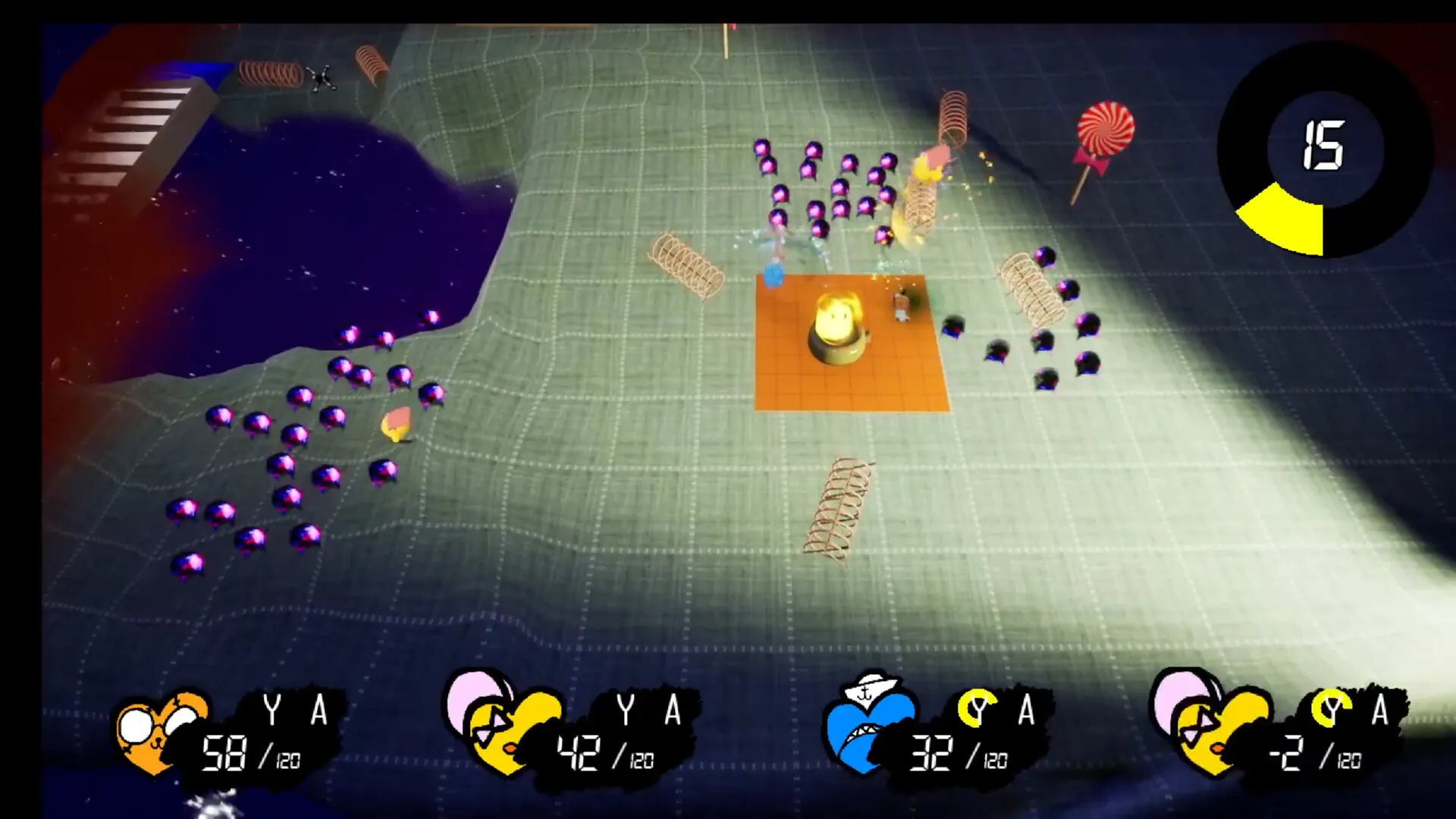
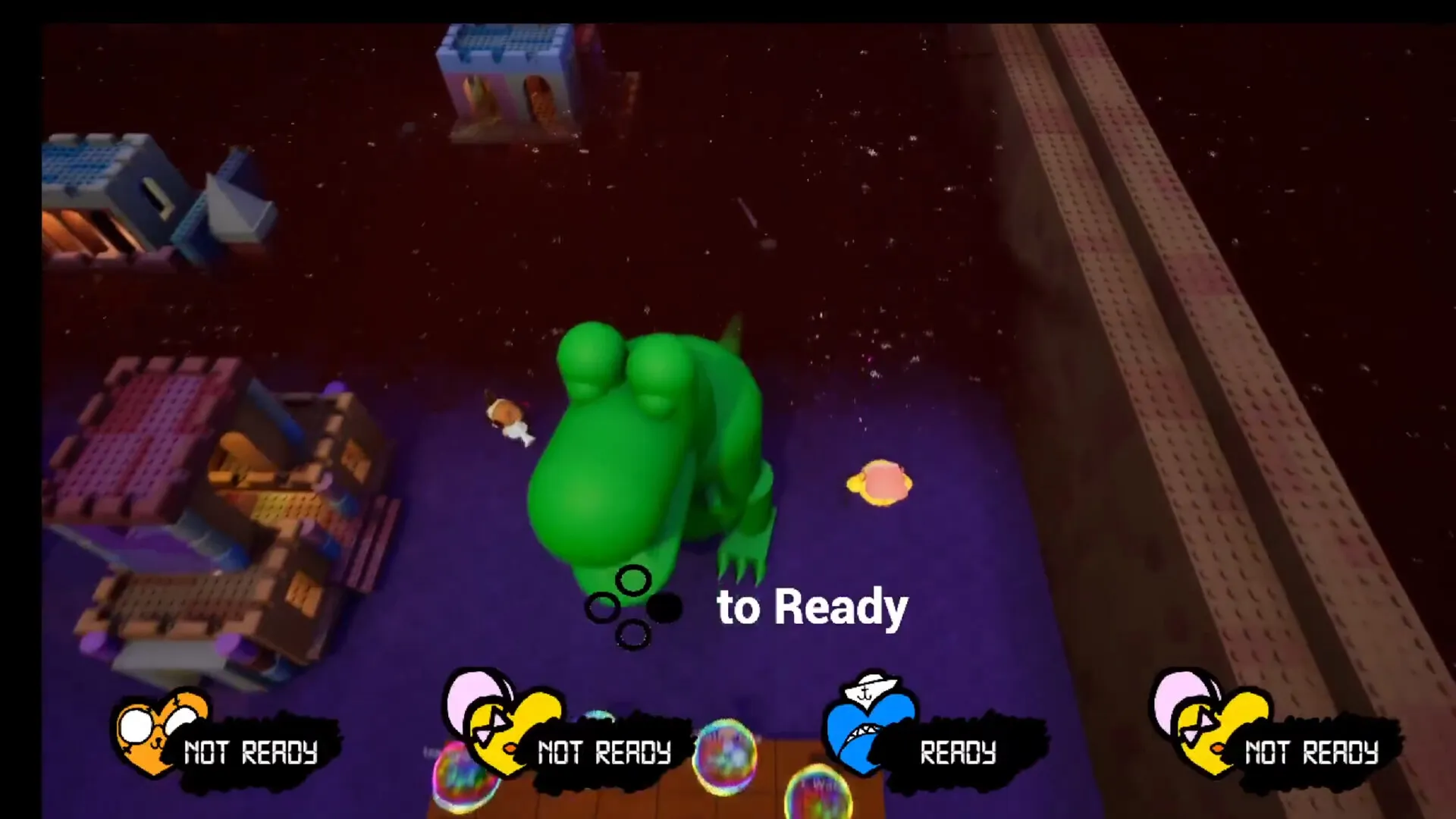
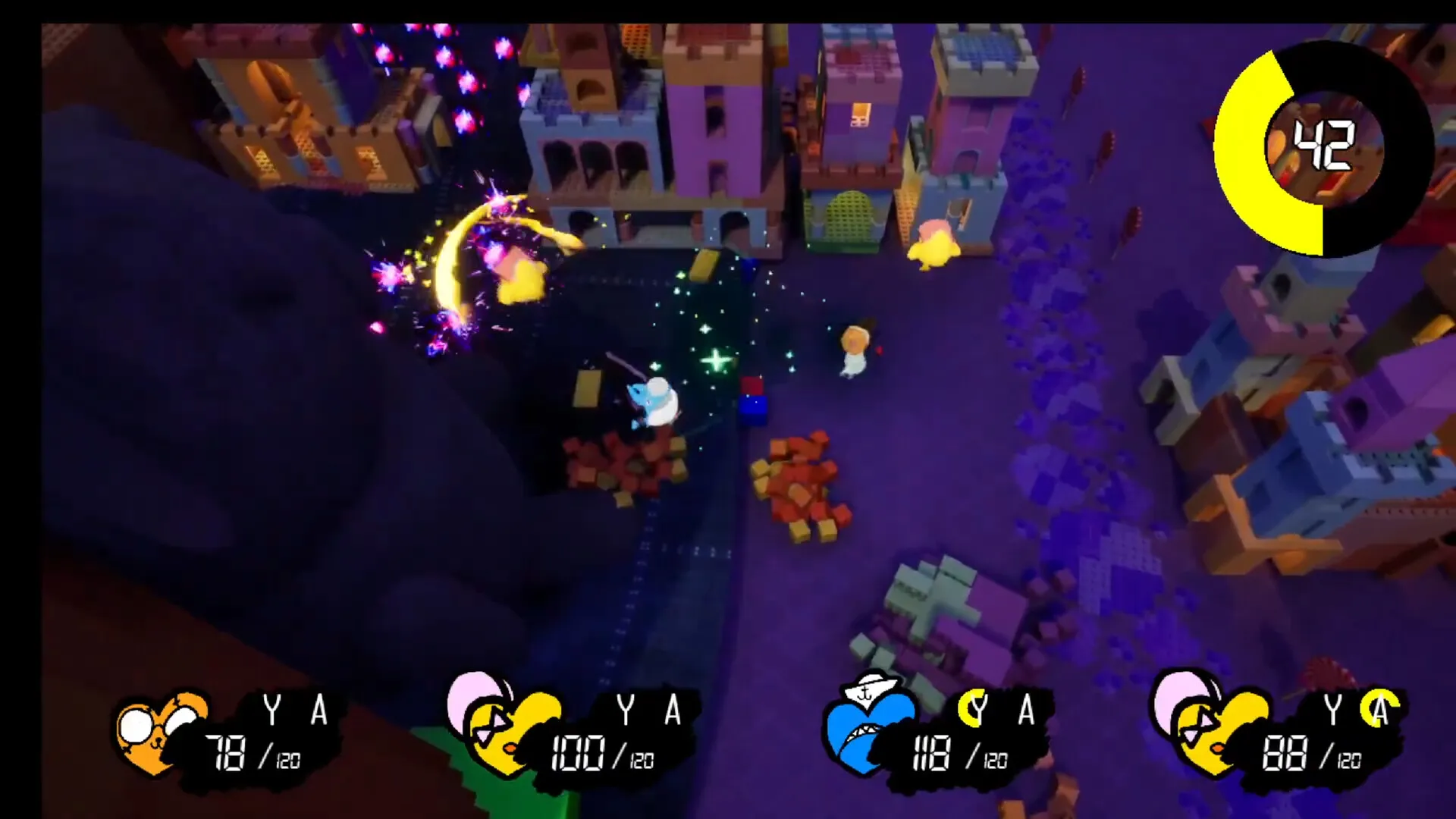
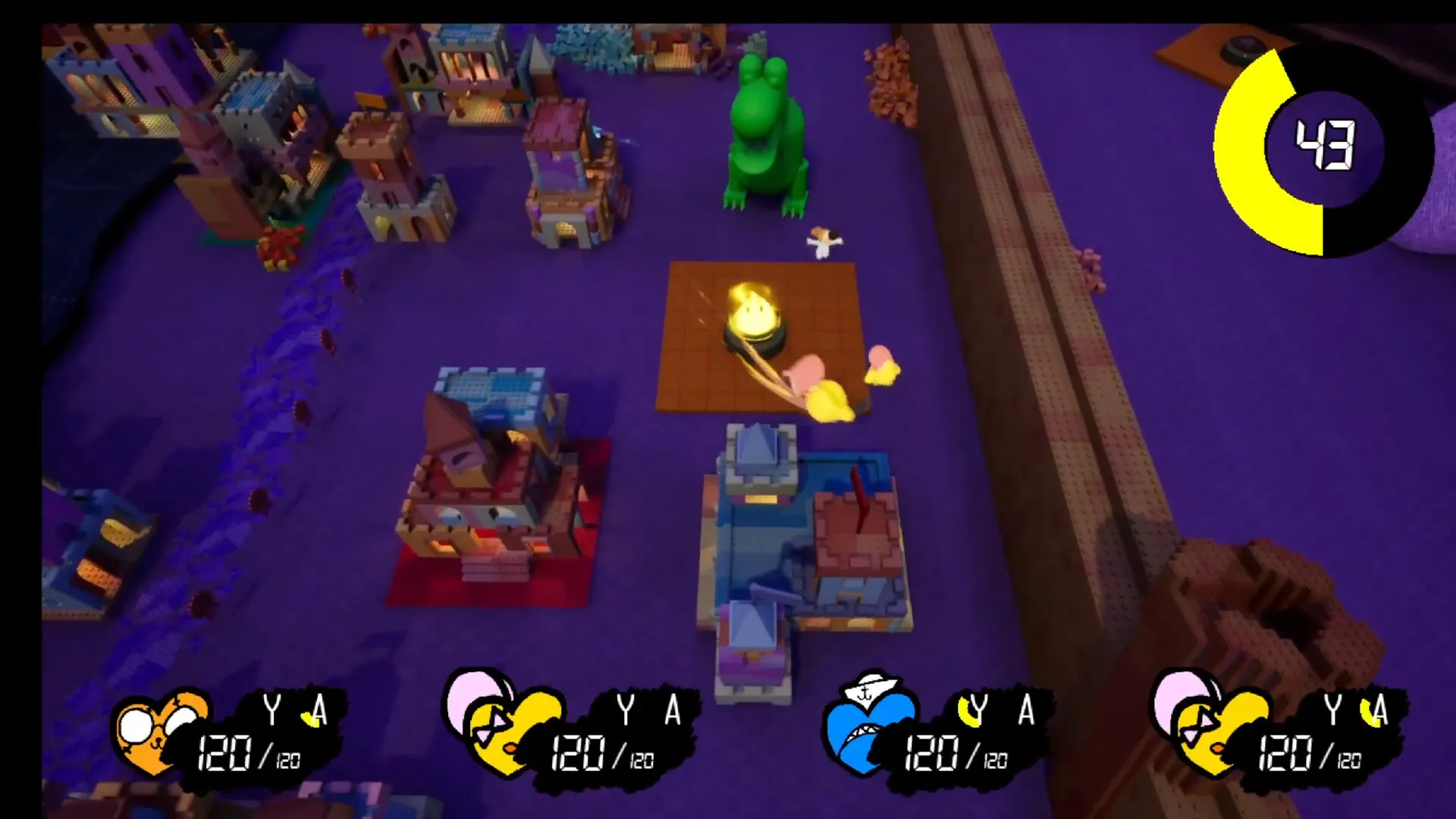
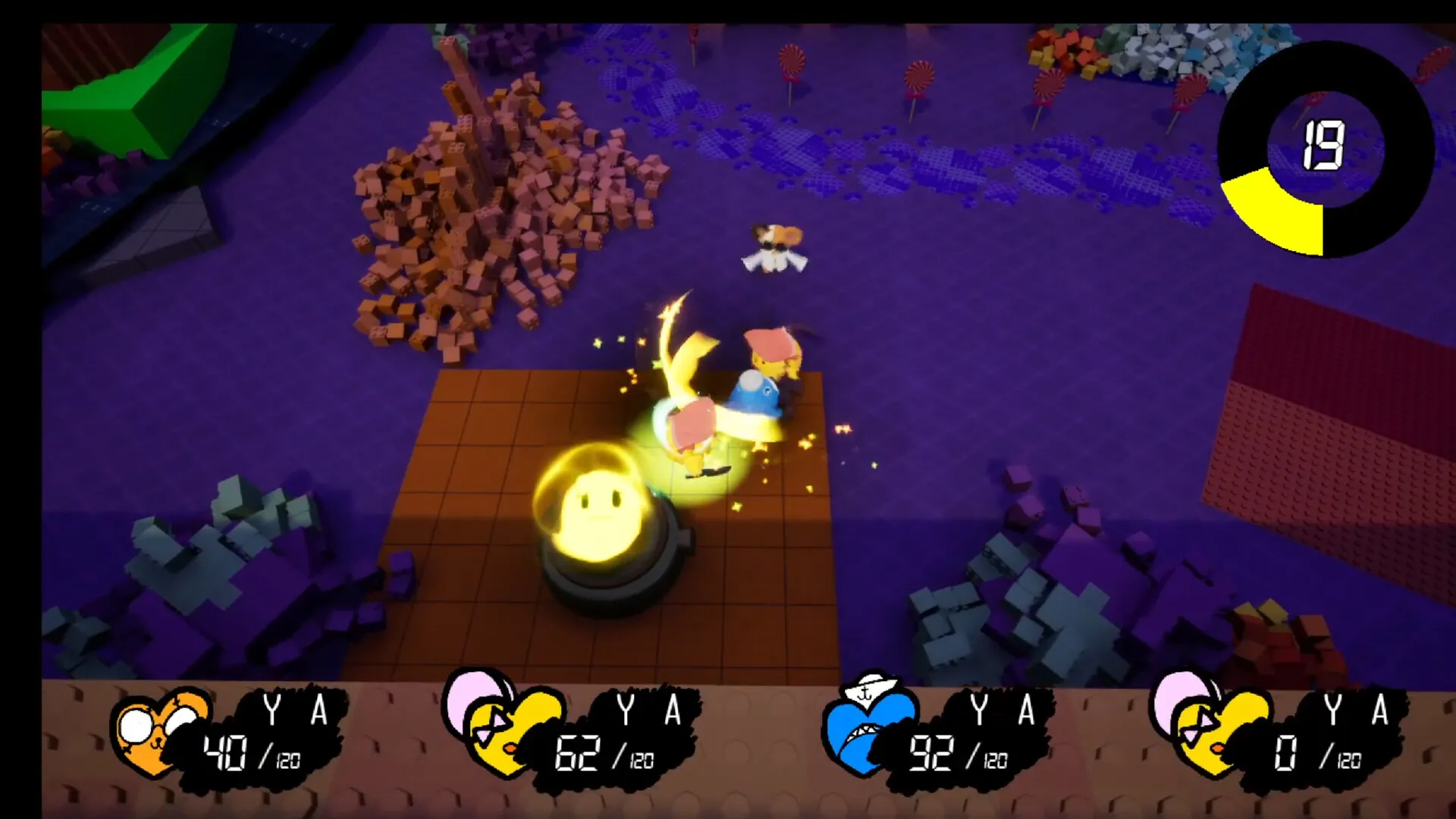
Operation P.L.U.S.H is a free-to-play 1–4 player co-op horde defender from developer Plush People, released in Early Access on June 20, 2026. You control dream-powered plushie characters defending a child's nightlight from waves of nightmare creatures. The entire arena is a giant child's bed, which turns everyday objects into tactical terrain: pillows become cover, toy blocks become barriers, and the bed edge is where the nightmare horde pours in.
The core loop is simple to grasp and hard to master: survive combat waves, then use the fortification phase between rounds to smash dream bubbles, collect weapons and power-ups, and build defenses. Play as long as you can. If the Nightlight goes out, bedtime is over.
The game is genuinely Early Access. It has 4 user reviews on Steam, one curator review, and the community is tiny. Expect rough edges, especially in online lobbies, where players have reported connection problems. That said, the core combat works and the toy-on-a-bed premise is delivered with real charm.
| Fact | Detail |
|---|---|
| Developer / Publisher | Plush People |
| Release | June 20, 2026 (Early Access) |
| Platforms | Windows (Steam only) |
| Price | Free to Play |
| Players | 1–4 local (shared/split screen) + online co-op |
| Engine | Unreal Engine |
| Storage | 3 GB |
| Languages | English only |
| Controller | Partial support |
| Tags | Casual, RPG, Party Game, Roguelike, Roguelite, 3D |
Who it's for: Friends who want a chaotic couch co-op with light strategy. Families with kids who can handle cartoon nightmare imagery. Fans of horde defenders, party games, and roguelite progression.
Who it's not for: Solo players who dislike juggling every angle alone. Anyone needing polished multiplayer matchmaking right now. The online experience is the weakest part of the package in its current state.
Getting Started: The First 30 Minutes
Launch into the main menu, pick a plushie, and jump into a run. Your first session should be about reading the bed, not winning.
Your launch checklist:
| Priority | Action | Why |
|---|---|---|
| 1 | Decide your player count first | Difficulty scales with players. A 2-player team is the efficiency sweet spot; solo is genuinely harder than duo |
| 2 | Pick a balanced plushie | Specialized characters leave gaps a new player cannot cover |
| 3 | Survey the bed during wave 1 | Note pillow positions (cover), toy block patterns (natural chokepoints), and the Nightlight position |
| 4 | Smash every dream bubble in fortification | Bubbles hold weapons, power-ups, and build materials. Unopened bubbles despawn |
| 5 | Build one barricade before wave 2 | Even a basic barricade buys 3–5 seconds against the early horde. Place it on the busiest approach path |
Three beginner mistakes to avoid:
- Playing solo like a single-player game. The game balances around team size, and solo you must cover every approach vector at once. If you have a friend, play with one. Two players is the efficiency sweet spot.
- Treating the fortification phase as a break. The 30 seconds between waves is the most important part of the game. Build, collect, repair, reposition. Standing still in intermission is how runs die.
- Chasing kills away from the Nightlight. Your objective is defense, not kills. Overextending leaves the Nightlight exposed to flankers. Let the horde come to your kill zone.
Core Mechanics Explained
The Nightlight
The Nightlight sits at the center of the playspace. It has a health bar that depletes whenever a nightmare reaches it. If it is fully extinguished, the run ends.
Nightlight health scales with player count:
| Players | Nightlight HP |
|---|---|
| Solo | 100 |
| 2 players | 150 |
| 3 players | 200 |
| 4 players | 250 |
The scaling compensates for the larger hordes in multiplayer, but the Nightlight is always the priority. Never leave it undefended.
The Wave Loop
Every run follows the same rhythm: Combat Phase, Fortification Phase, repeat.
Combat Phase: nightmares spawn from the bed edges and advance on the Nightlight. Waves last roughly 60–120 seconds depending on difficulty.
Fortification Phase: a ~30 second intermission where dream bubbles spawn, defenses can be built or repaired, characters heal, and the team coordinates.
The Dream Bubble Economy
Dream bubbles are the only resource system. They spawn randomly during fortification and contain the items that keep a run alive.
| Bubble Color | Common Contents | Rarity |
|---|---|---|
| Blue | Build materials, basic ammo | Common |
| Green | Healing items, minor buffs | Common |
| Yellow | Weapons, temporary power-ups | Uncommon |
| Purple | Rare upgrades, ultimate charges | Rare |
| Gold | Defense schematics, permanent stat boosts | Very Rare |
Priority: Gold > Purple > Yellow > Green > Blue. Break gold and purple bubbles first. Rarer bubbles despawn faster than common ones, and their contents shape the rest of the run.
Plushie Characters
Each plushie has a distinct combat role and a unique ability on a cooldown timer. Abilities fall into familiar archetypes: area damage, crowd control, defensive shields, and healing auras.
| Character | Role | Specialty | Best For |
|---|---|---|---|
| Shorky | Balanced | All-around fighter, solid stats everywhere | Beginners, solo runs |
| Tank | Tank | High HP, holds the frontline | 2+ player teams |
| Ranged | Ranged | Attacks from distance, kills fliers | Protecting the Nightlight |
| Support | Support | Heals and buffs teammates | 4-player teams |
Unlocks persist between sessions. Reach the unlock milestone and you keep the character forever, even if the run ends the next wave.
Buildable Defenses
Materials from dream bubbles fund defenses. Build them between waves and repair them mid-wave when you have a breather.
| Defense | Material Cost | Effect | Best Placement |
|---|---|---|---|
| Basic Barricade | 10 | Blocks enemy movement, absorbs damage | Chokepoints between bed edge and Nightlight |
| Clock Man | 25 | Area slow effect | In front of chokepoints to slow the advancing horde |
| Music Box | 30 | Area damage over time | Near the Nightlight for maximum uptime |
| Special schematics | Varies | Unique effects | Unlocked via purple and gold bubbles |
Defenses can be repaired mid-wave. Do not wait for the fortification phase to patch a damaged barricade if the horde gives you a window.
Combat Upgrades
Between or during runs, combat upgrades spice up the fight. Roguelike-style upgrade choices shape your build: more damage, faster attacks, bigger abilities, defensive buffs. Prioritize upgrades that fix your team's weakness rather than ones that inflate your strength.
Progression Strategy
Progression is tied to survival milestones. Unlocks carry across sessions, so failing a run still advances you.
| Milestone | Unlock |
|---|---|
| Survive Wave 5 | Tank character |
| Survive Wave 10 | Ranged character |
| Survive Wave 15 | Support character |
| Survive Wave 20 | Weapon upgrade schematic |
| Various achievements | Cosmetic variations |
Optimal unlock path:
- Play solo or duo to Wave 5 and unlock the Tank.
- Run a trio to Wave 10 and unlock the Ranged.
- Run a full squad to Wave 15 and unlock the Support.
- Push for high waves with the complete roster and chase Wave 20+ schematics.
Upgrade priority for a fresh roster:
| Priority | Upgrade | Why |
|---|---|---|
| 1 | Weapon damage | Shorter time-to-kill means fewer enemies reach the Nightlight |
| 2 | Movement or dash | Repositioning is survival in horde combat |
| 3 | Ability cooldown | More ults and specials per wave |
| 4 | Defense durability | Keeps your barricade line alive through boss waves |
| 5 | Healing | Only after the above; sustain matters most in 15+ waves |
Builds / Tier Lists / Best-In-Slot
Team Composition Tier List
| Composition | Strength | Weakness |
|---|---|---|
| Tank + Ranged | Classic duo. Frontline holds, backline kills | No healing, slow chip damage adds up |
| Tank + Support | Very durable, endless sustain | Low damage, waves drag on |
| Ranged + Ranged | Massive DPS, fliers die instantly | Fragile, one breach ends the run |
| Tank + Ranged + Support (3p) | Best balanced trio | Requires coordination |
| Full 4-player squad | Max coverage, all roles filled | Hardest horde scaling, most chaos |
Best-in-slot picks: For the frontline, the Tank is non-negotiable at wave 7+. For Nightlight protection, the Ranged plushie beats everything else because fliers and teleporters bypass barricades. The Support plushie becomes the best-in-slot fourth pick once boss waves start.
Defense Build Priority
| Stage | Defense Mix | Rationale |
|---|---|---|
| Waves 1–3 | 2–3 Basic Barricades | Cheap, stops the early crawl |
| Waves 4–6 | Barricades + 1 Clock Man | Slows the faster skitterers |
| Waves 7–9 | Barricades + 2 Clock Men + 1 Music Box | Fliers need the damage zone near the Nightlight |
| Waves 10+ | Full layered line + schematics | Boss waves demand every tool |
Step-by-Step Strategy
Sequence 1: The Fortification Phase Protocol (30 Seconds)
- Seconds 0–5: Scan the bed for dream bubbles. Call out gold and purple locations.
- Seconds 5–10: Break every bubble. Share contents out loud: "I got a Music Box schematic, need 30 mats."
- Seconds 10–20: Build and repair. The Tank fronts the barricades; the Support builds special defenses near the Nightlight.
- Seconds 20–25: Heal. Use green bubble items now, not mid-combat.
- Seconds 25–30: Move to assigned positions and wait for the wave announcement.
Sequence 2: Enemy Priority System
When multiple nightmare types are on the bed, kill in this order:
- Teleporters — bypass defenses entirely and appear near the Nightlight. Ranged or Support handles them.
- Fliers — fly over barricades and slows. Direct Nightlight threat. Ranged kills them first, every wave.
- Fast skitterers — reach the Nightlight quickly and in volume. Striker cleanup.
- Tanks — slow but durable. Need sustained focus fire.
- Boss nightmares — huge HP, dangerous attacks. Everyone dumps damage.
- Basic crawlers — slow and weak. Let defenses handle them while you deal with the threats above.
Sequence 3: Layered Defense Setup
Build in four layers so every enemy is slowed and damaged multiple times before reaching the Nightlight.
| Layer | Distance from Nightlight | Defenses | Purpose |
|---|---|---|---|
| 1 | Far (bed edge) | Basic barricades | Absorb the first impact |
| 2 | Medium | Clock Man placements | Slow the advancing horde |
| 3 | Near | Music Box + barricades | The kill zone |
| 4 | Immediate | Repair materials | Last line; patch during combat |
Sequence 4: Ultimate Ability Rotation
- Do not stack ults. Two ultimates at once waste their duration. Space them 5–10 seconds apart.
- Save ults for boss waves. Waves 10, 15, and 20+ bring boss nightmares. Delete them fast.
- Call your ult. A 3-second warning lets teammates avoid overlap.
- Standard order: Tank ult (draw aggro) → Striker ult (damage) → Ranged ult (cleanup) → Support ult (if needed).
Sequence 5: Solo Survival
Solo is viable but plays differently:
- Pick the balanced plushie. Specialized characters leave gaps you cannot cover alone.
- Never roam more than two seconds from the Nightlight.
- Overbuild. Solo you cannot be everywhere, so defenses buy the time you lack.
- Teleporters are public enemy number one. They bypass your line and you cannot be in two places.
- Accept some Nightlight damage. Keep it above 50% and you can still finish the run.
Advanced Tips
The Clock Man slow stacks. Two Clock Men with overlapping radius slow enemies additively, dropping them to about 25% movement speed in the overlap. Build them in pairs.
Music Box placement is precise. Music Boxes deal damage in a radius around the Nightlight. Place them one to two tile widths out so the damage zone covers the main approach. Too close wastes coverage, too far misses the kill zone.
Bubble spawn logic. Bubbles spawn where no player is standing. If everyone clusters at the Nightlight, bubbles spawn at the bed edges, forcing a dangerous collection run. Spread out during fortification to control where they appear.
Learn the attack tells. Every nightmare type telegraphs before attacking. Crawlers pause and rear up. Fliers tuck their wings. Teleporters glow before blinking. Learn the tells and you can dodge or interrupt.
The audio is a radar. The soundtrack mixes war drums with toy chimes. When the music shifts to a darker motif, a boss wave is coming. Use it as an early warning.
Mid-wave repair math. Repairing during combat takes about 3 seconds; during fortification it takes 1. Only repair mid-wave if a defense is about to collapse and the Nightlight is exposed.
Name your lobby usefully. The server finder searches by lobby name. "OP PLUSH WAVE 10+" beats "Game 1" for finding teammates at your progression level.
Roguelike discipline. Milestones persist. If you fail at Wave 8, you keep the Tank unlock. Chasing milestones run by run beats gambling everything on one deep run.
FAQ / Common Mistakes
Q: Is the game actually multiplayer? A: Yes, 1–4 player shared/split screen co-op plus online via Steam. That said, online lobbies have reported connection bugs in Early Access, including at the starting lobby. Local co-op is the more reliable experience right now.
Q: Is solo play viable? A: Yes, but it is harder than duo. Nightlight damage is inevitable solo; the goal is keeping it above 50%. The balanced plushie and heavy defensive building are mandatory.
Q: Do unlocks carry between sessions? A: Yes. Unlocked characters and schematics persist. Fail a run and you keep the milestones you hit.
Q: Is there controller support? A: Partial. Gameplay works on controller; menu navigation may need keyboard or mouse.
Q: How long is a run? A: As long as you survive. Early runs end in single digits; practiced teams push past wave 15. There is no campaign mode, just escalating survival.
| Mistake | Why It Hurts | The Fix |
|---|---|---|
| Playing solo by default | Solo is harder than duo; you cover every angle alone | Recruit at least one friend; 2 players is the sweet spot |
| Ignoring fortification | Missed bubbles mean no weapons, no upgrades, no defenses | Use every second of the intermission; have a routine |
| Overextending for kills | Nightlight left exposed, fast enemies flank you | Let enemies come to your kill zone |
| Wasting ults on small waves | Long cooldowns; bosses need them | Save ults for waves 10, 15, 20+ |
| Building all defenses in one spot | Horde attacks from multiple angles; single-layer lines fail | Use the 4-layer approach across approach vectors |
| Neglecting fliers | They bypass barricades and slows | Assign the Ranged plushie to flier duty every wave |
| Not repairing between waves | Accumulated damage creates gaps in your line | Repair everything during fortification |
| Ignoring specs | The Unreal engine needs a real GPU; low FPS means missed dodges | Check requirements; lower settings if needed |
Controls Reference
| Action | Keyboard / Mouse | Controller |
|---|---|---|
| Move | WASD / Arrow Keys | Left Stick |
| Attack | Left Click / Space | Right Trigger / A |
| Special Ability | Q | Left Bumper |
| Ultimate Ability | E | Right Bumper |
| Interact / Collect | F | X Button |
| Build Menu | B | Y Button |
| Pause | Escape | Start / Menu |
Final Verdict
Operation P.L.U.S.H is a charming, chaotic horde defender with a genuinely funny premise: a war on a child's bed, fought by plushies, scored by war drums mixed with music box chimes. The confirmed core loop is solid: dream bubble economy, fortification strategy, buildable defenses, and role-based co-op. As an Early Access title with a tiny community and reported multiplayer bugs, it is a game to play with friends on the same couch rather than to rely on for online sessions. Free to play means the only thing you risk by trying it is an hour of your evening. For a couch co-op night with the right crew, it delivers exactly what it promises: defend the dream, protect the Nightlight, beat the darkness.